A series
Episode two can open on the same person as episode one, because the reference sheet is saved, not redrawn from a vague prompt.
The feature
The usual failure in AI video is the face. You cut to a new place and the lead comes back as a stranger. Character Lock is Filmoyo’s answer: one reference sheet, used in every shot.
The problem
Clip tools such as Runway and Pika render the shot in front of them. Ask for the jungle, then the snow, then the city, and each generation can invent a different face. The story breaks because the audience cannot tell it is the same character.
Character Lock
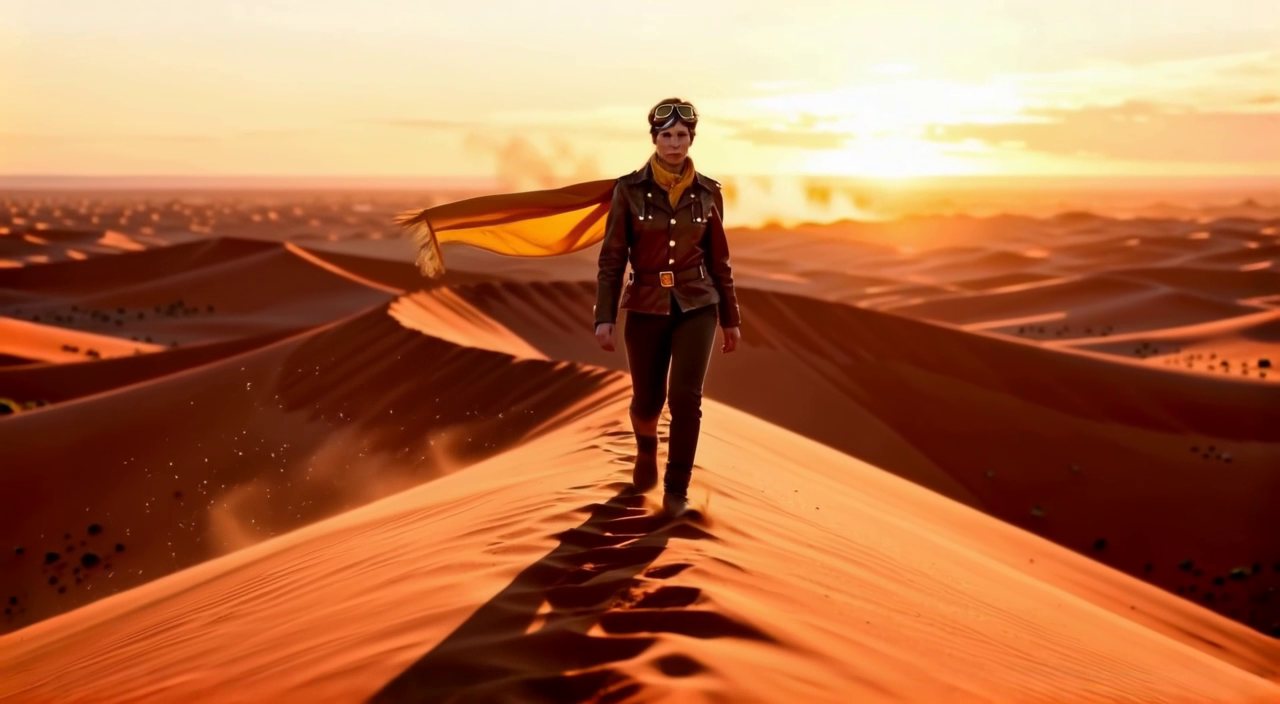
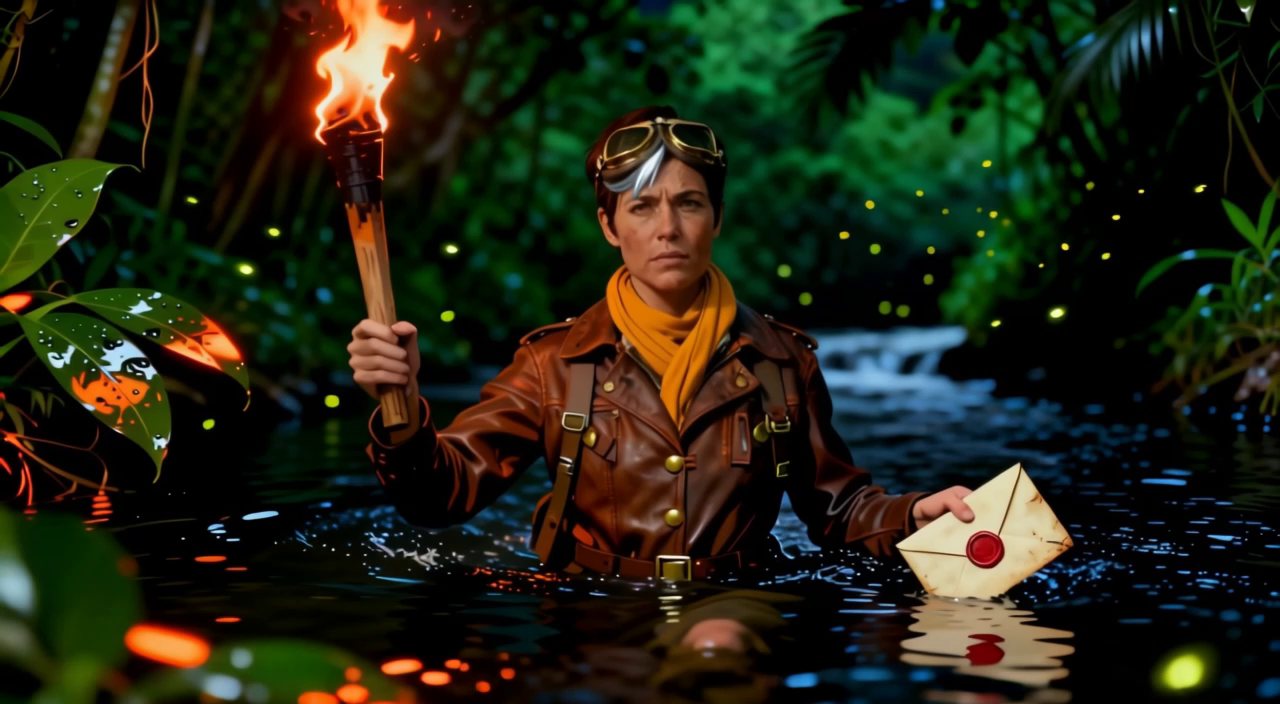
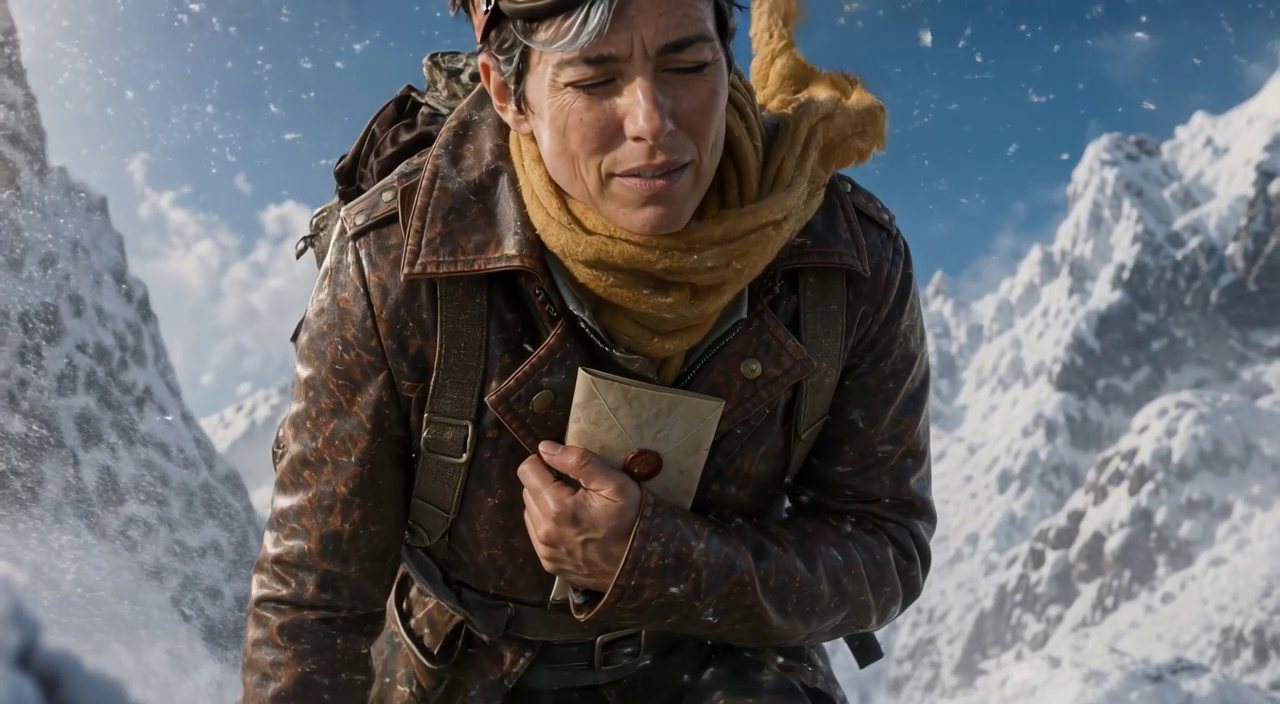
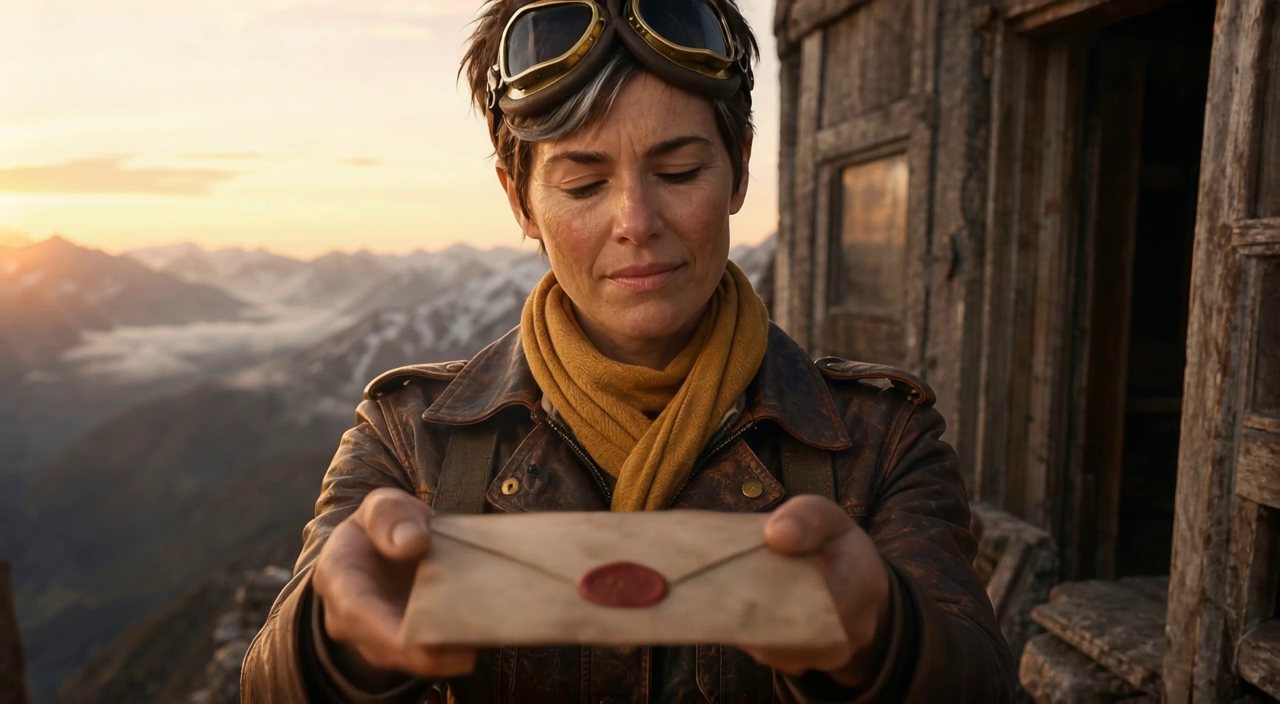
You choose someone from the Casting Vault, 9,500+ character images and 1,230 avatars, or you describe a person and Filmoyo builds the sheet. That sheet, face, build, and clothes, is what the studio injects into the jungle, the snow, and the city. The stills below are the Wayfinder from the public demo.
Use it for
Episode two can open on the same person as episode one, because the reference sheet is saved, not redrawn from a vague prompt.
An ad can bring the same spokesperson back next week. Selling that ad to a client still needs the commercial license.
A wide shot, a close-up, and a new location only work as one story if the audience recognizes the actor.
FAQ
A reference sheet for that character: the face, the build, and the wardrobe. Filmoyo sends that sheet into each shot instead of inventing a new person from the prompt alone.
They are built to render the clip you asked for. The next scene is often a new generation, and the face drifts unless you fight it. Filmoyo is built so the sheet stays with the cast.
The public demo keeps the Wayfinder recognizable across dunes, jungle, snow, and a summit. You still approve frames. A sloppy description produces a sloppy sheet.
The sales page lists 9,500+ character images and 1,230 unique avatars, or you describe someone and build them. That library is the Casting Vault.
$27 once
See the full review, the $27 and $37 licenses, and the bonuses.